

Intellectual Property: A Quick Look
- Jun 09, 2014

Intellectual Property (IP), as per World Intellectual Property Organisation (WIPO), refers to creations of the mind, such as inventions; literary and artistic works; designs; symbols, names and images used in commerce. Every intellectual aspect of a product, whether it’s a logo, a design or even the shape of a product, is protected by law. The rights of the owners to the corresponding IPs are known as Intellectual Property Rights.
In this article, let’s get to know three of the major IP Rights involved in a product/service/brand creation.
- TRADEMARK
Trademark is any symbol, logo, or words that are legally registered or established by use as representing a company/brand or a product. From the golden arch of McDonald’s to the “swoosh sign” of Nike, these trademarks are what make those brands unique from the rest, and are protected by law. Any other company that uses them for their products is considered in violation of law.
With effective trademark research and study, trademark infringement can be avoided to a large extent. Today, there are softwares and apps too that make this task easier for the manufacturers. Whoever, intentionally or unintentionally violates a trademark law is faced with legal penalties, as similar trademarks may confuse or mislead consumers
- COPYRIGHT
Copyright, as the name suggests, is the right to copy. It gives the exclusive legal right to the owner of Intellectual Property to reproduce the work for distribution/sale. This includes musical scores, photographs, ideas, or any original work created as a part of the product’s identity.
Though most of the copyrighted ideas and other materials are available to the public through several media, using or reproducing them for another product without the consent of the owner is a punishable offence. For example, a news agency’s photos are copyrighted, and not to be considered as a free source image.
- PATENT
Patent is the word that refers to the right to an invention for a specific period. From the shape of a shoe to the design of a pen, patents are not to be used by other manufacturers.
Patents are generally granted on a ‘first come, first serve’ basis. Wherein, the first one to apply is granted the right. For instance, even if the specific bottle design of a company is used by another brand, the original manufactures of the design cannot claim it, unless the design is patented by them first.
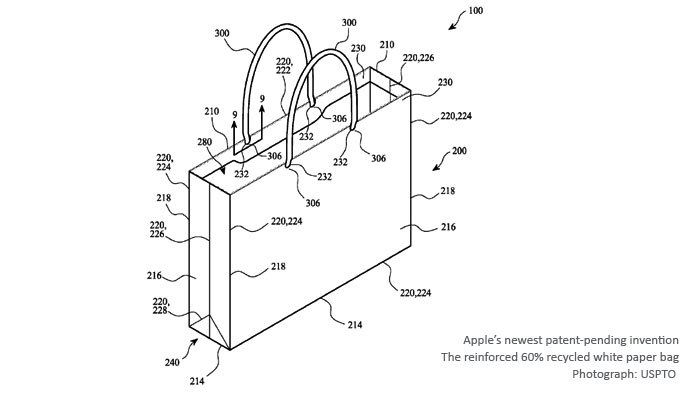
A classic example of patent is the paper bags that are used by Apple. These iBags are made of white bleached sulphate paper from over 60% recycled material.
However, it is the sole responsibility of the patent holder to find, locate and sue the patent violators.
At Ease with Aurega
At Aurega Solutions, with our expert lawyers who are in constant dialogue with the relevant authorities can assist you in launching and protecting your product, ensuring its immunity from violation of any law. Also assuring your timely registration process to give you the rights to your intellectual properties of your brand/product. You take it easy, while Aurega takes care of your IP.

About the author: Rajiv Shah, CEO of Aurega Group
Mr. Rajiv Shah was born in Kenya, East Africa and raised in the United Kingdom. He started his career in Investment Banking in the UK in 1997 having worked HSBC Global Investments, Deutsche Bank, Merrill Lynch Private Clients, and briefly for MAN group, holding a variety of positions within Investment banking operations, wealth management, equity trading and private client advisory sales over the course of his career. In 2008 he entered the UAE Insurance & Financial services industry having been instrumental in driving Sales and in implementing strategy for diversifying revenue base. His extensive financial experience and strong network base brings additional insight and expertise to the board. Mr. Shah holds a Bachelor’s degree in Financial Services from the Metropolitan University, London and several diploma’s in Business & Finance with distinction from the UK, as well as a qualification from the Chartered Insurance Institute (CII).